

At the Kenya Ports Authority, we are the dynamic heart of trade and commerce for Kenya and the East and Central Africa, connecting the region to global markets. We understand that the movement of goods by sea is more than just logistics, it's the vital current that powers economic growth, connects communities, and creates opportunity.
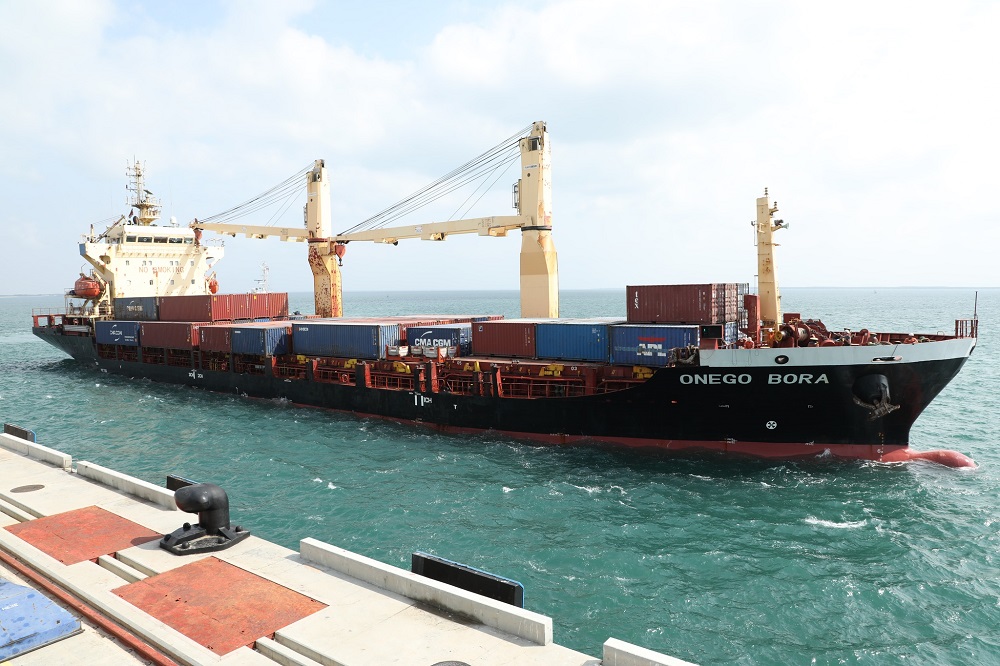
Our flagship facility, the Port of Mombasa is strategically located and stands as a beacon of efficiency and connectivity. Consistently ranked among the top container ports in Africa, it serves as a critical nexus between global markets and a rapidly expanding region. With over 40 major shipping lines calling at our port and direct links to more than 80 ports worldwide, we ensure that trade flows seamlessly and reliably.
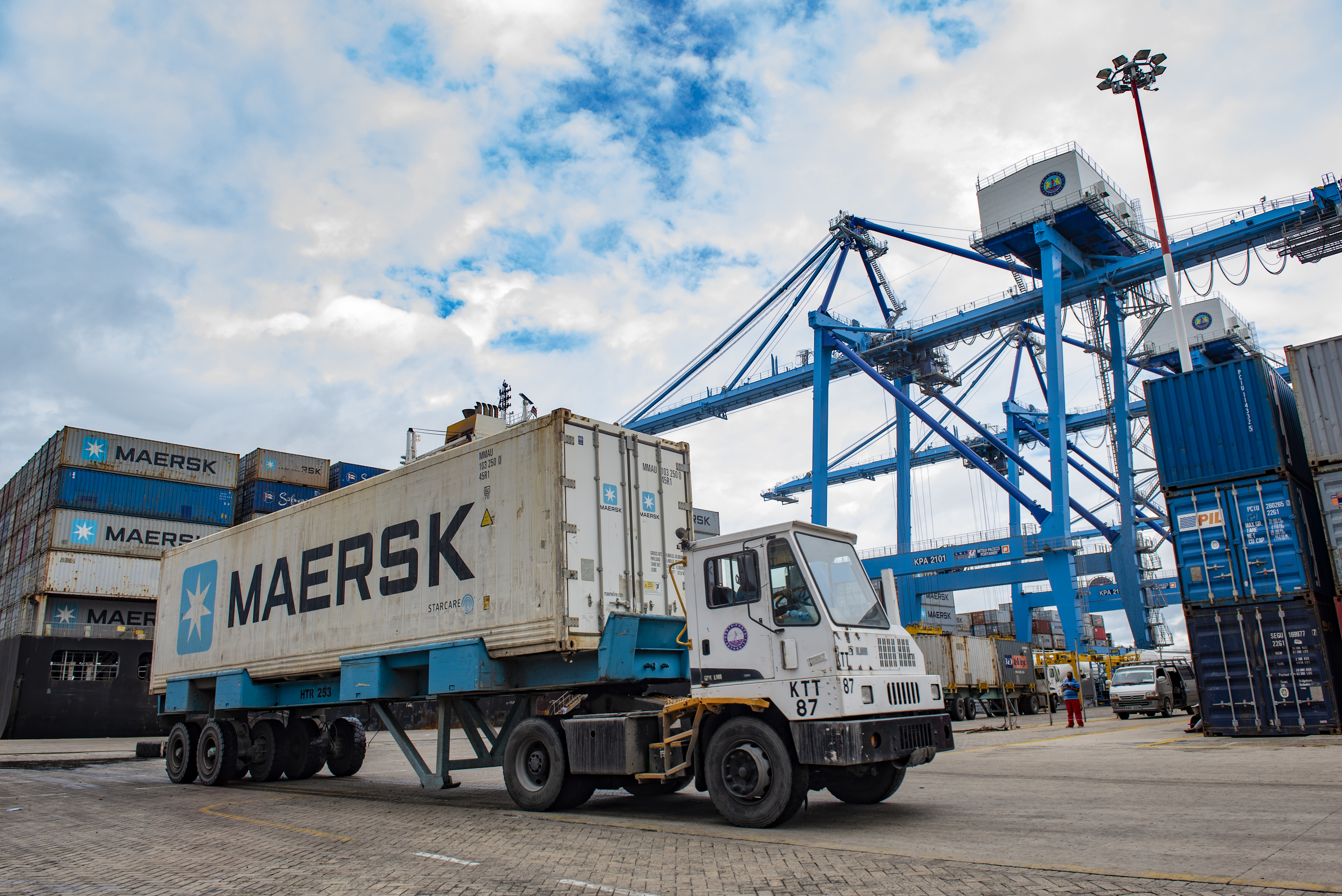
In an ever-evolving global maritime industry, we are driven by innovation and investment. KPA has made significant, strategic investments to modernize our infrastructure, expand our capacity, and adopt cutting-edge technology. This unwavering commitment ensures we not only meet the growing demands of today but are also prepared to harness the opportunities of tomorrow, maintaining our competitive edge.
Our success is powered by our human resource. KPA is steered by a team of visionary leaders whose combined expertise spans maritime operations, logistics, finance, and technology. This diverse experience allows us to successfully navigate the complexities of 21st-century shipping and deliver world-class port services.
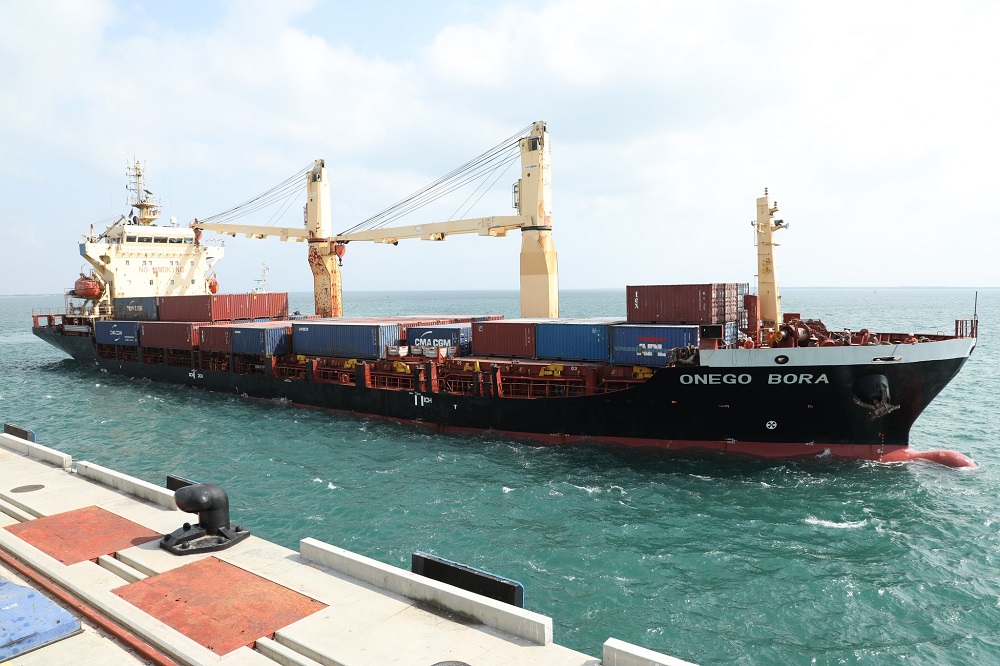
We are more than just a port authority; we are your trusted partner in progress, dedicated to fuelling prosperity for our region and the global market.
Environmental Sustainability
Environment and Social Safeguards
Kenya Ports Authority (KPA) is committed to responsible port development and operations that safeguard the environment, protect surrounding communities, and promote sustainable growth. The Environment and Social Safeguards framework ensures compliance with applicable national and international standards, while integrating sustainability considerations into all Authority activities.
Projects & Initiatives
Environmental Monitoring
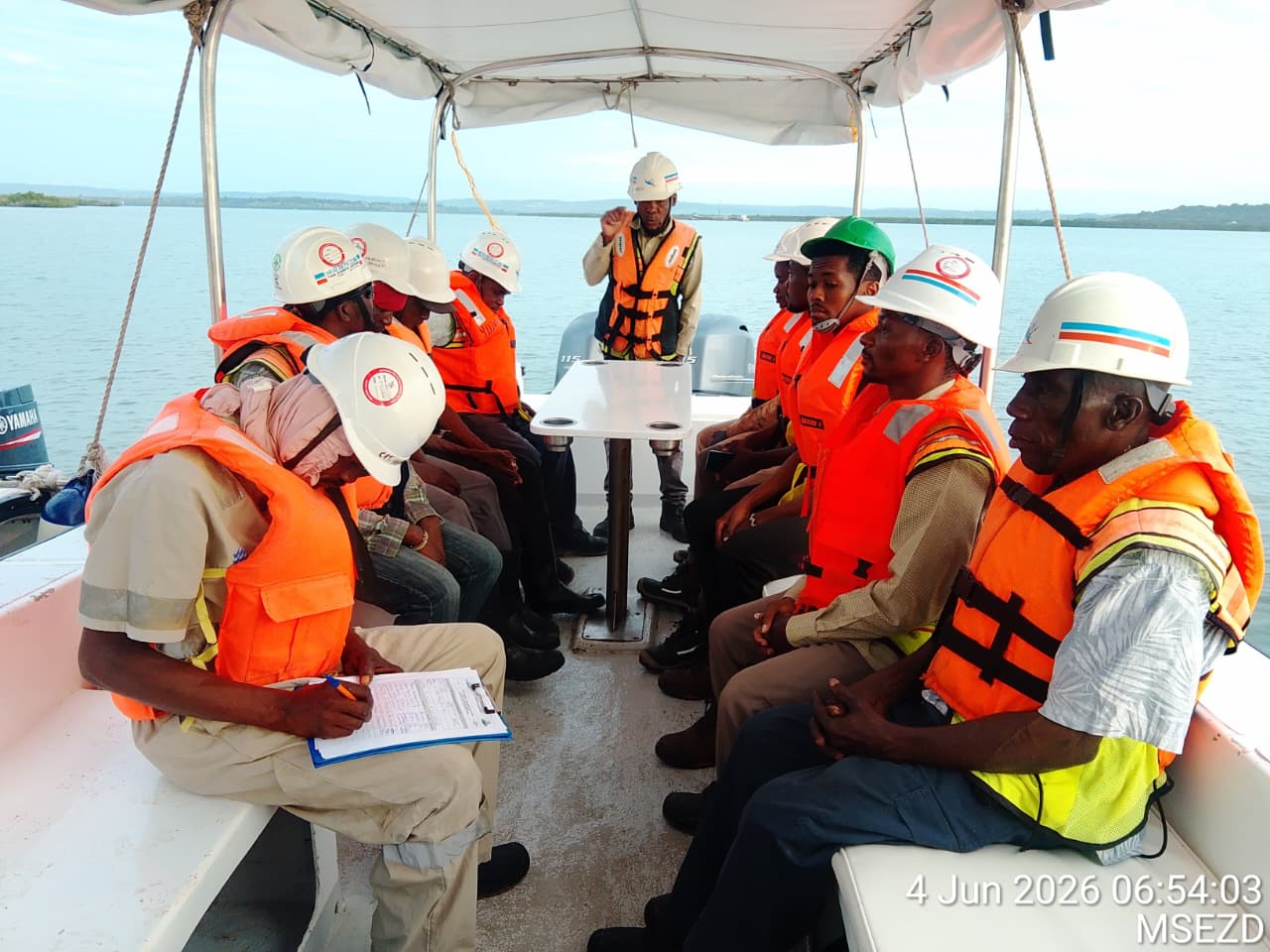
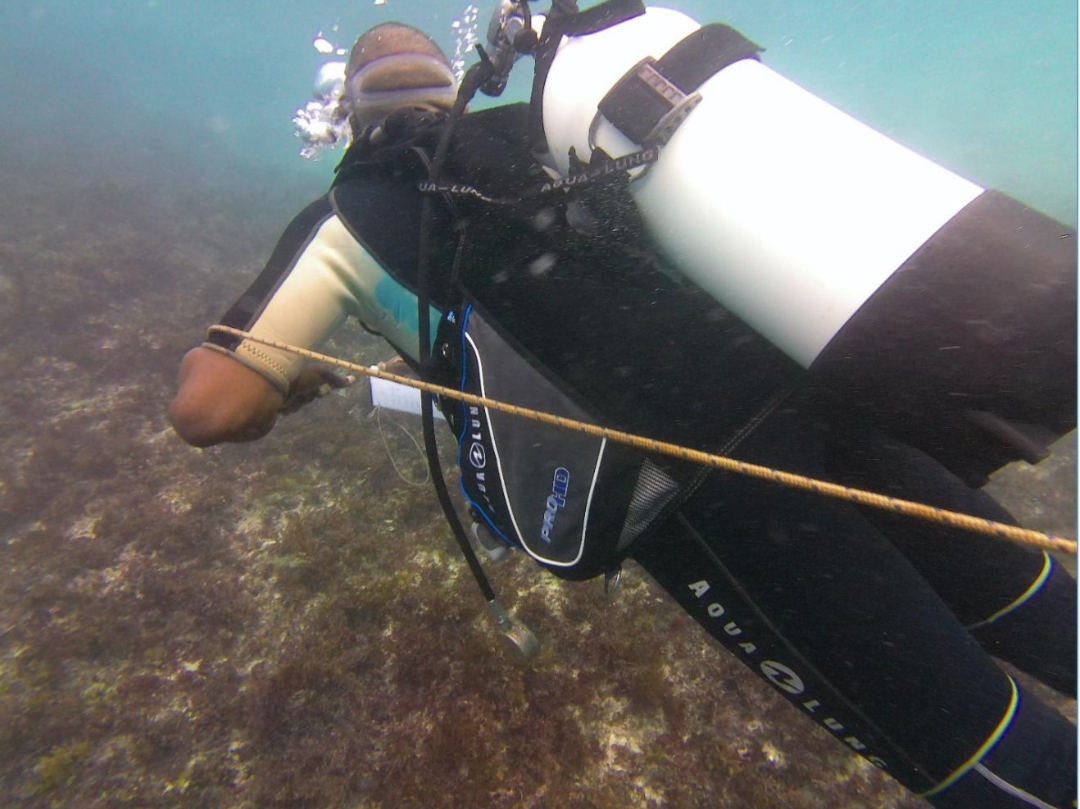
KPA undertakes regular environmental monitoring to assess the impacts of port operations on air quality, water resources, marine ecosystems, and adjacent communities. Environmental monitoring reports are prepared to provide transparent, data-driven insights that support informed decision-making, ensure regulatory compliance, and drive continuous improvement in environmental performance.
Projects & Initiatives
Environmental Conservation
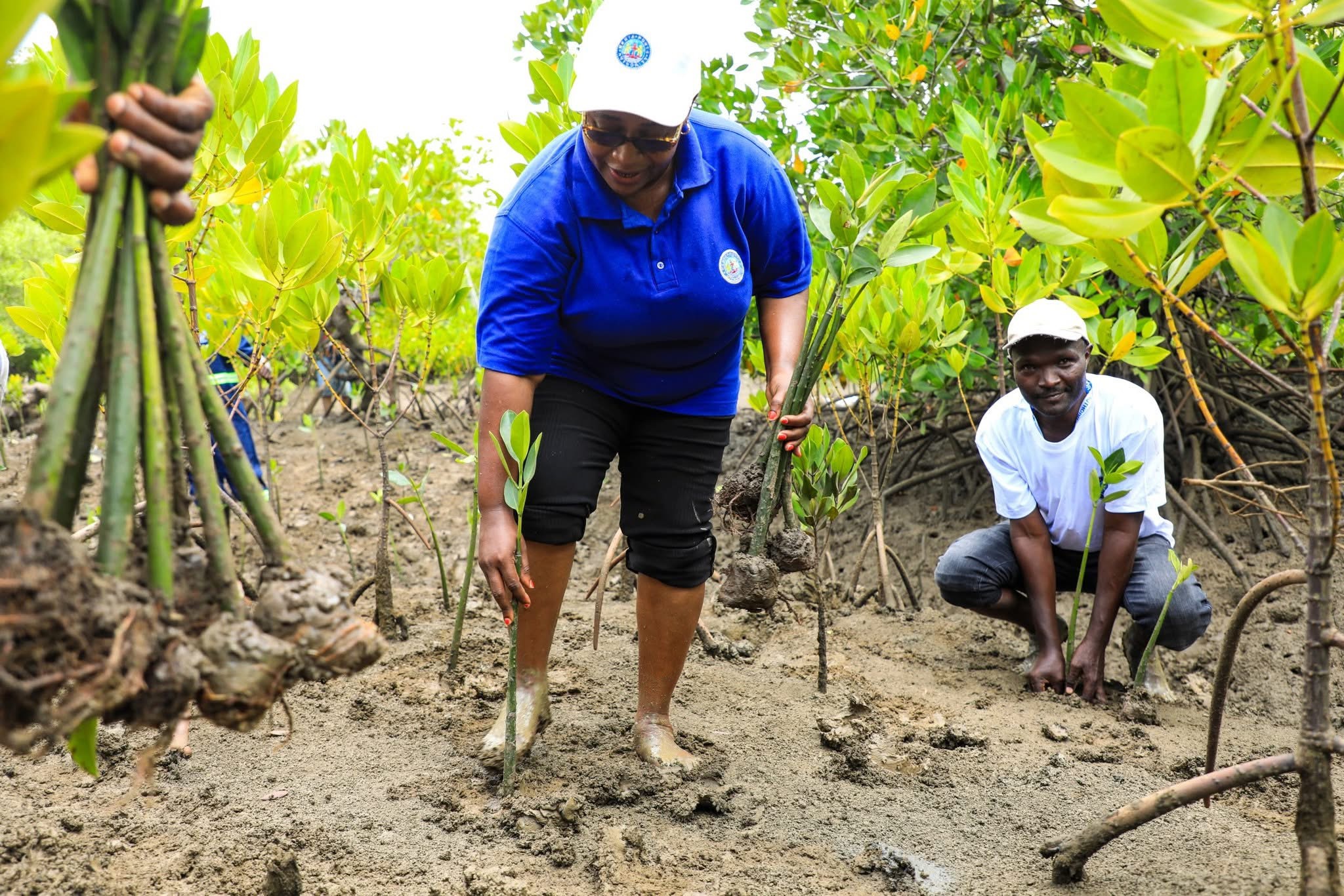
Environmental conservation remains a core pillar of KPA’s sustainability agenda. The Authority implements targeted initiatives to protect marine biodiversity, conserve natural resources, and restore environmentally sensitive ecosystems. Through effective waste management, pollution prevention, and habitat protection programs, KPA seeks to minimize its environmental footprint and preserve the coastal environment for future generations.
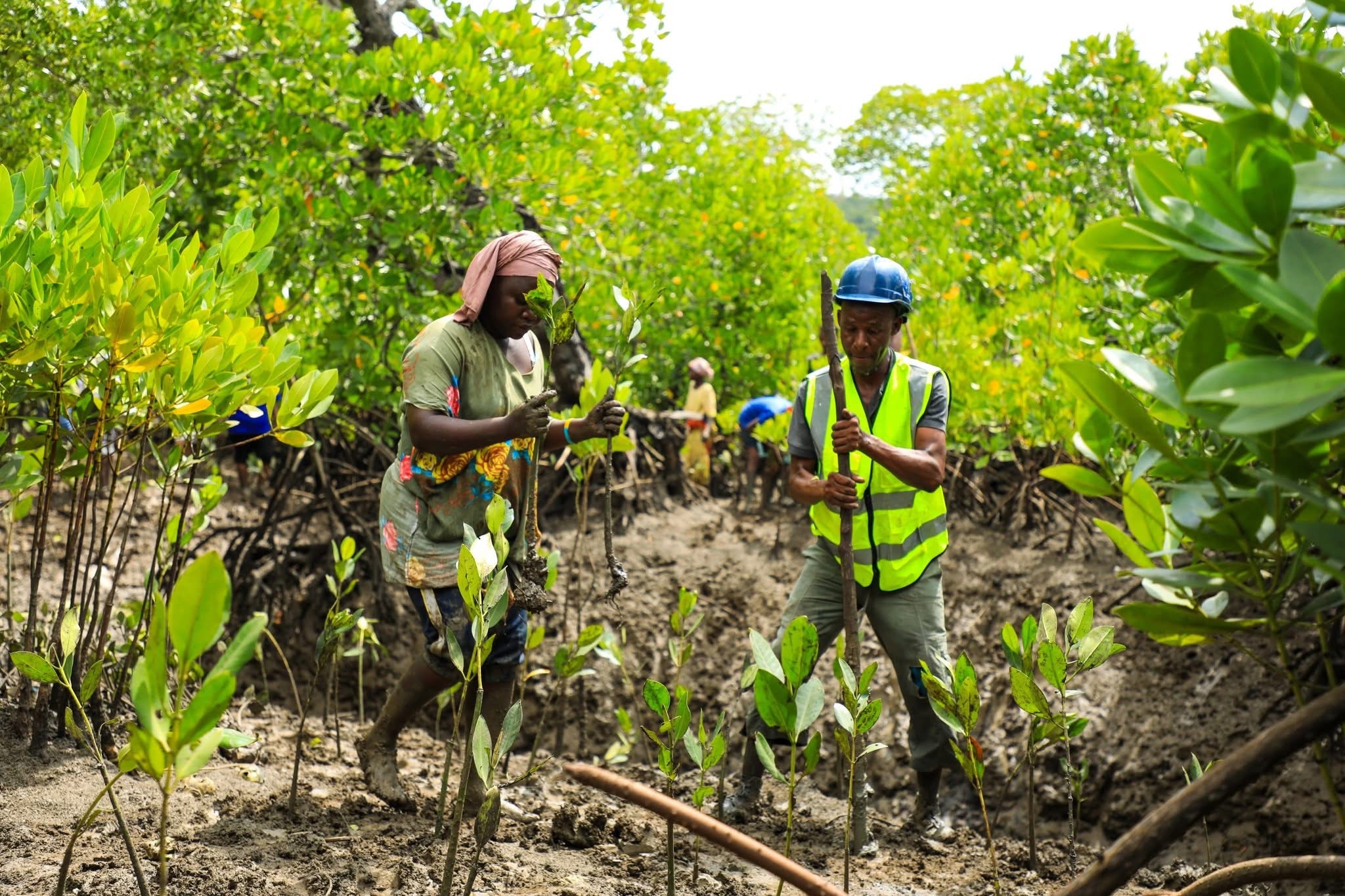
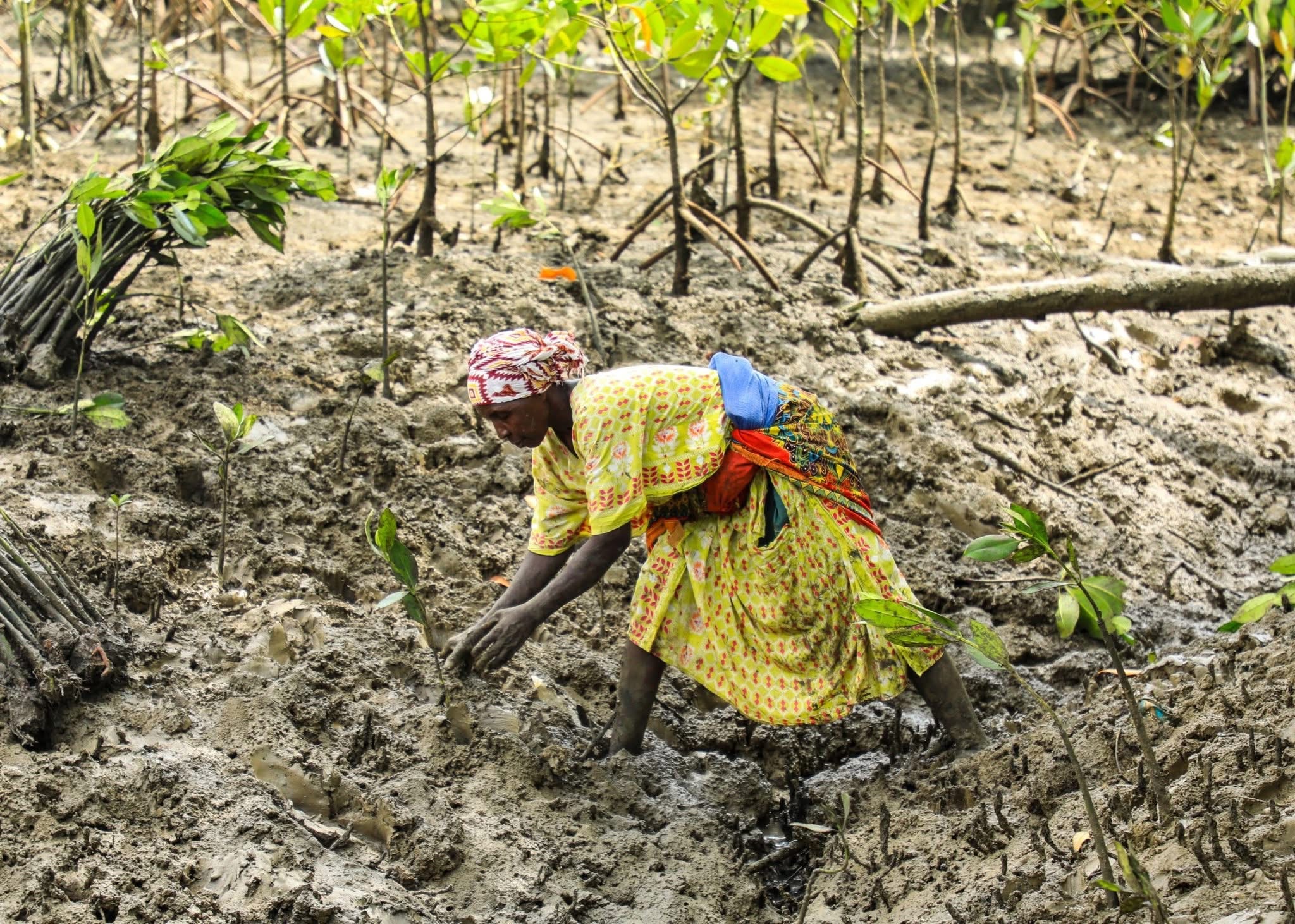
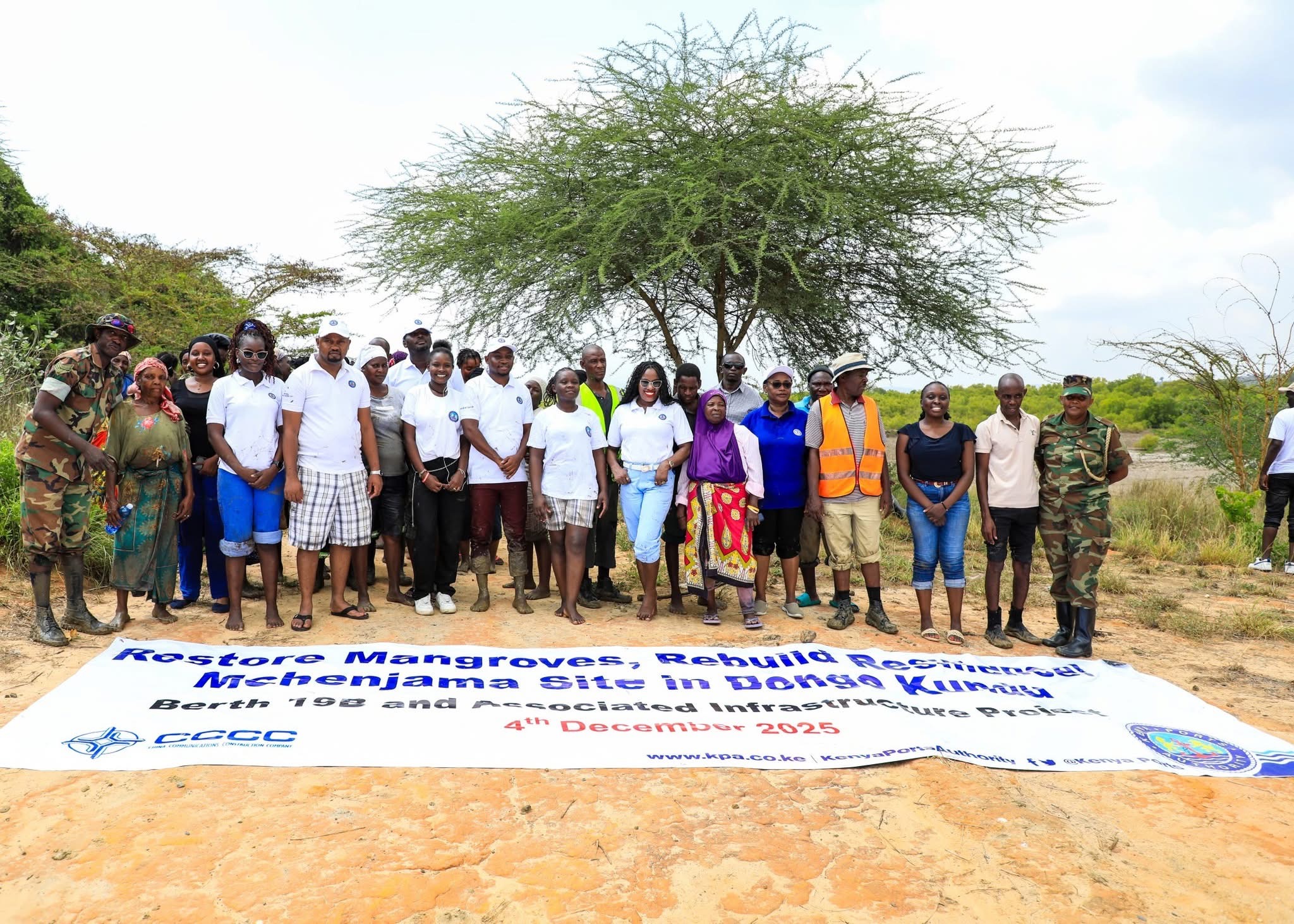
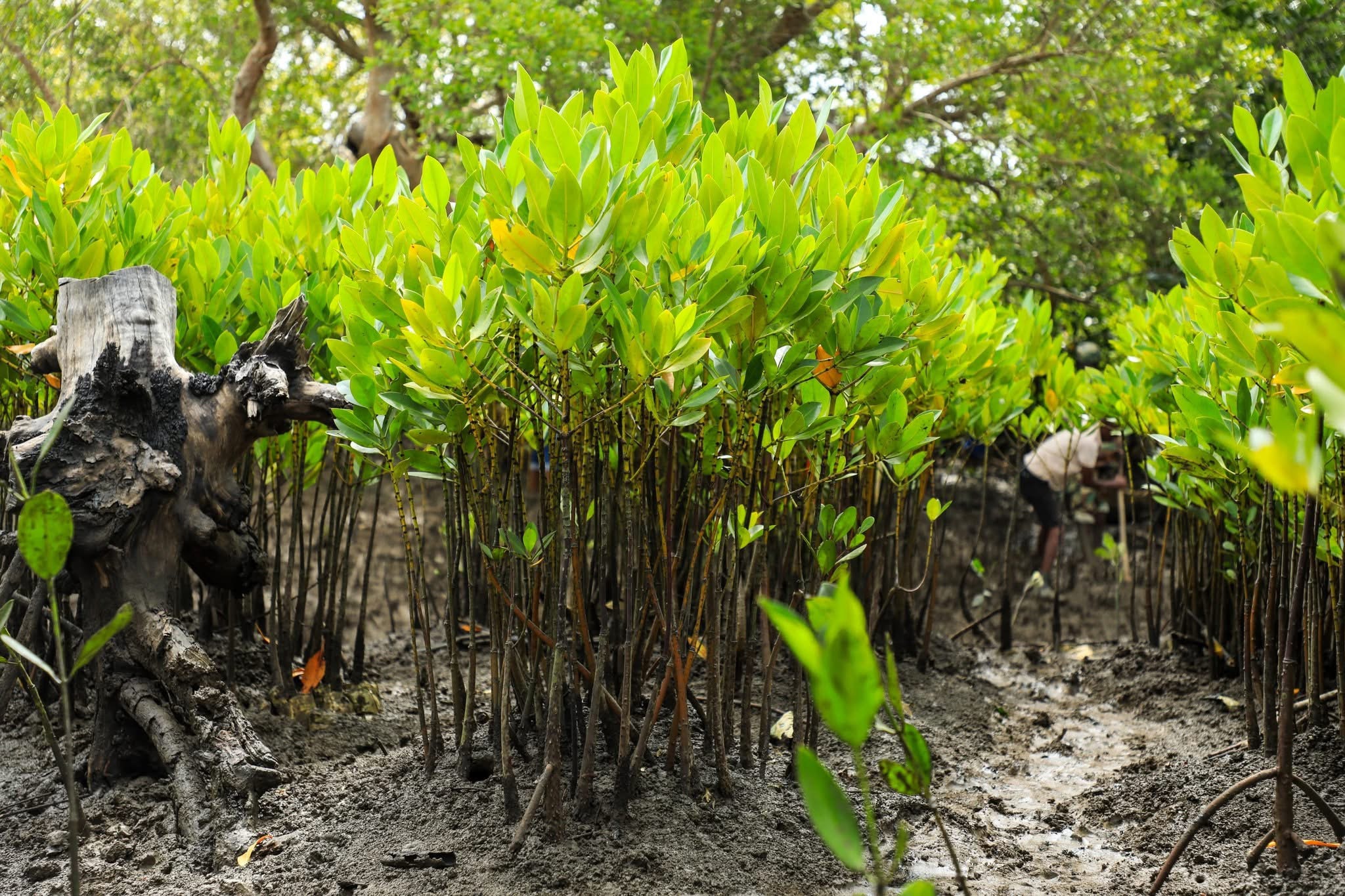
Five thousand mangrove seedlings were planted at the Mchenjani site in Dongo Kundu, marking the launch of a 20,000-seedling restoration drive linked to the expansion of Berth 19B at the Port of Mombasa.
The exercise was led by the Kenya Ports Authority (KPA) in partnership with Kenya Forest Service (KFS), the Mombasa Kilindini Community Forest Association (MOKICFA), local community groups, and contributors including China Communications Construction Company (CCCC).
According to Lizzie Harrison, KPA’s Principal Environmental Officer, the planting is part of the Environmental and Social Impact Assessment (ESIA) obligations tied to the berth’s construction.
She said the initiative also advances KPA’s 2025/26 Performance Contract target of planting one million mangrove seedlings and aligns with the Ministry of Transport and Infrastructure-GoK directive for tree-planting every first Thursday of the month.
The program further supports the Presidential goal of growing 15 billion trees by 2032.
The restoration effort comes shortly after KPA received the International Association of Ports and Harbors (IAPH) Mangrove Restoration Award in Japan, recognizing Harrison said reflects the port’s growing leadership in coastal ecosystem protection.
Berth 19B-whose development triggered this mitigation program-is being constructed west of Berth 19 and will add an estimated 3,000 TEUs of capacity to the older Terminal 1 system once completed.
Gallery


Videos

KPA Planting Mangroove Trees
WatchGreen Port Initiatives
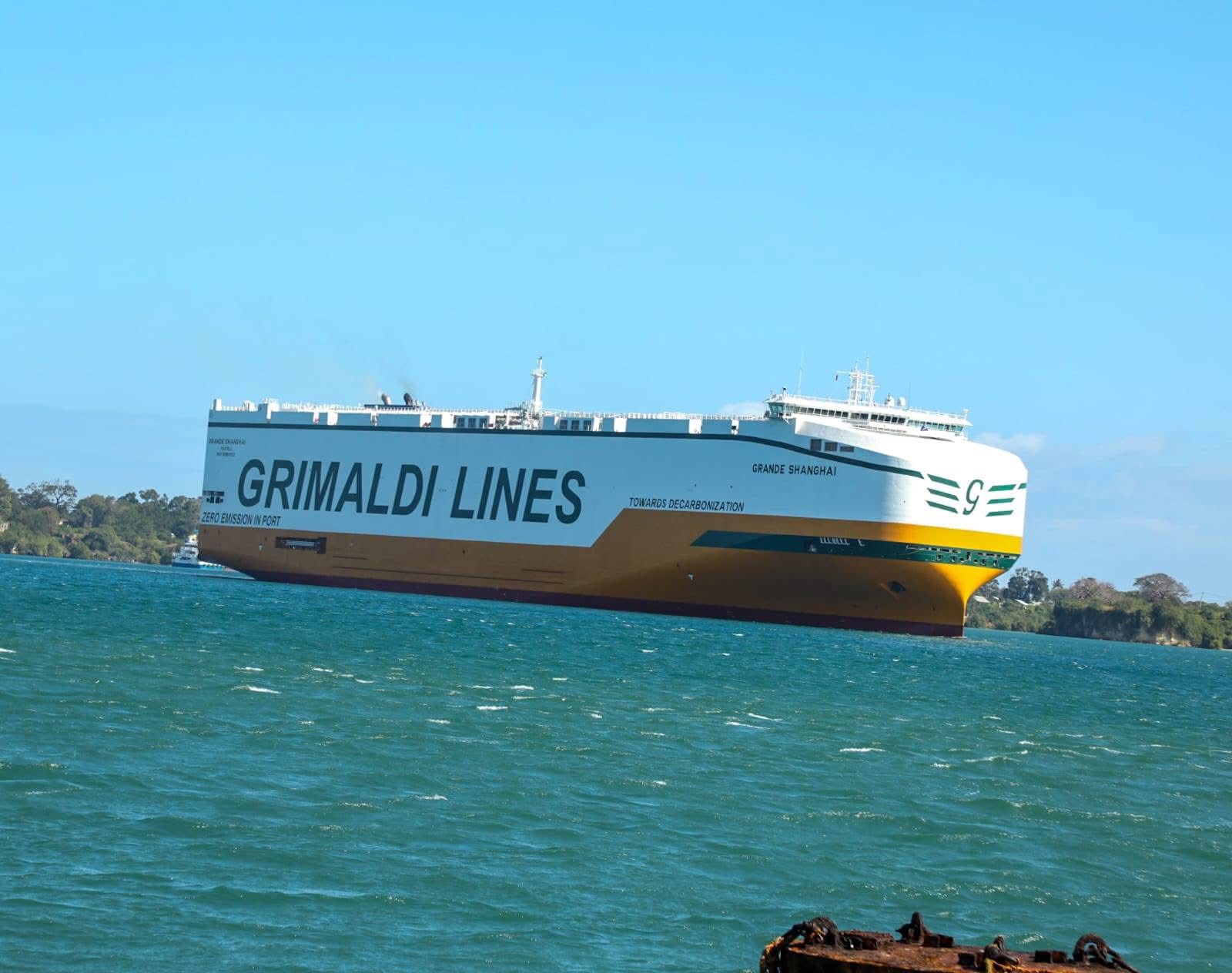
The Green Port Initiative underscores KPA’s commitment to climate action and sustainable port operations. Through energy efficiency improvements, adoption of clean technologies, reduction of greenhouse gas emissions, and promotion of environmentally responsible practices, KPA is transforming its ports into resilient, low-carbon hubs aligned with global sustainability objectives.
Projects & Initiatives

Environment, Social, and Governance (ESG)
Kenya Ports Authority (KPA) is committed in integrating Environmental, Social, and Governance (ESG) principles into its strategy, operations, and decision-making processes to drive sustainable growth, resilience, and long-term value creation. In support of its Green Port Policy and mandate as a key facilitator of regional and global trade, KPA will adopt the NASDAQ ESG Reporting Framework and align its reporting practices with internationally recognized standards to enhance transparency, accountability, and stakeholder confidence. The Authority is dedicated to protecting and restoring terrestrial and marine ecosystems, minimizing the environmental impacts of port operations, fostering inclusive social and economic development, and upholding the highest standards of ethical governance. Through robust ESG reporting, stakeholder engagement, innovation, and continuous improvement, KPA seeks to strengthen risk management, improve access to capital, enhance operational performance, and contribute meaningfully to sustainable development for the benefit of present and future generations.
Environmental Impact Assessment(s)
KPA undertakes environmental impact assessments for major infrastructure projects in compliance with the provisions of EMCA 1999 and in accordance to Environmental (Impact Assessment and Audit) Regulations, 2003. Environmental and social considerations are integrated into planning and decision-making across all processes.
Environmental and Public Health Management
KPA is committed to safeguarding the environment and promoting public health through the implementation of sustainable environmental management practices, pollution prevention measures, and effective waste management in compliance with applicable environmental and public health regulations.