At the Kenya Ports Authority PLC, we are the dynamic heart of trade and commerce for Kenya and the East and Central Africa, connecting the region to global markets. We understand that the movement of goods by sea is more than just logistics, it's the vital current that powers economic growth, connects communities, and creates opportunity.
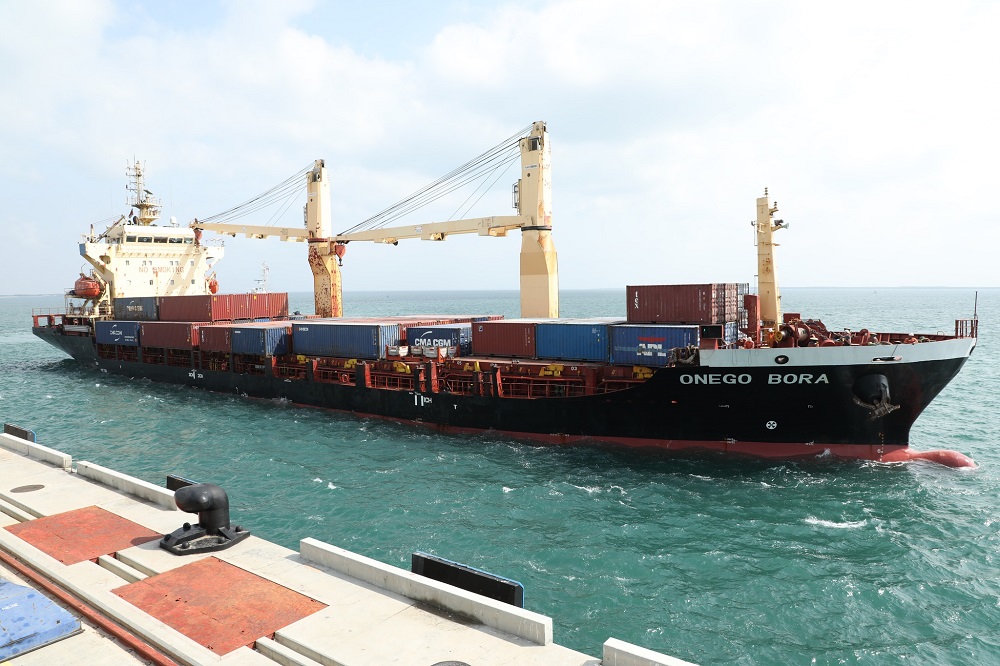
Our flagship facility, the Port of Mombasa is strategically located and stands as a beacon of efficiency and connectivity. Consistently ranked among the top container ports in Africa, it serves as a critical nexus between global markets and a rapidly expanding region. With over 40 major shipping lines calling at our port and direct links to more than 80 ports worldwide, we ensure that trade flows seamlessly and reliably.
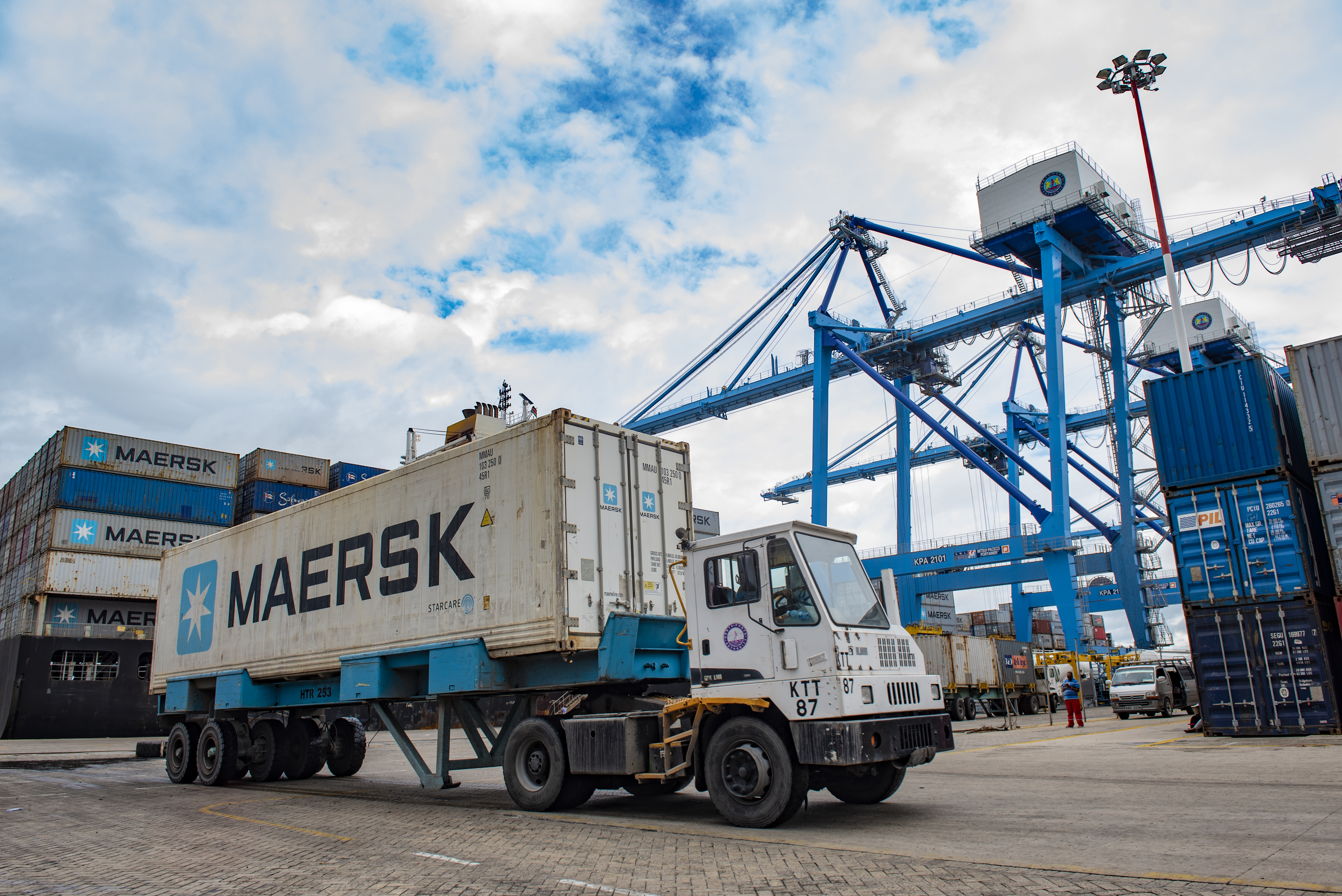
In an ever-evolving global maritime industry, we are driven by innovation and investment. KPA PLC has made significant, strategic investments to modernize our infrastructure, expand our capacity, and adopt cutting-edge technology. This unwavering commitment ensures we not only meet the growing demands of today but are also prepared to harness the opportunities of tomorrow, maintaining our competitive edge.
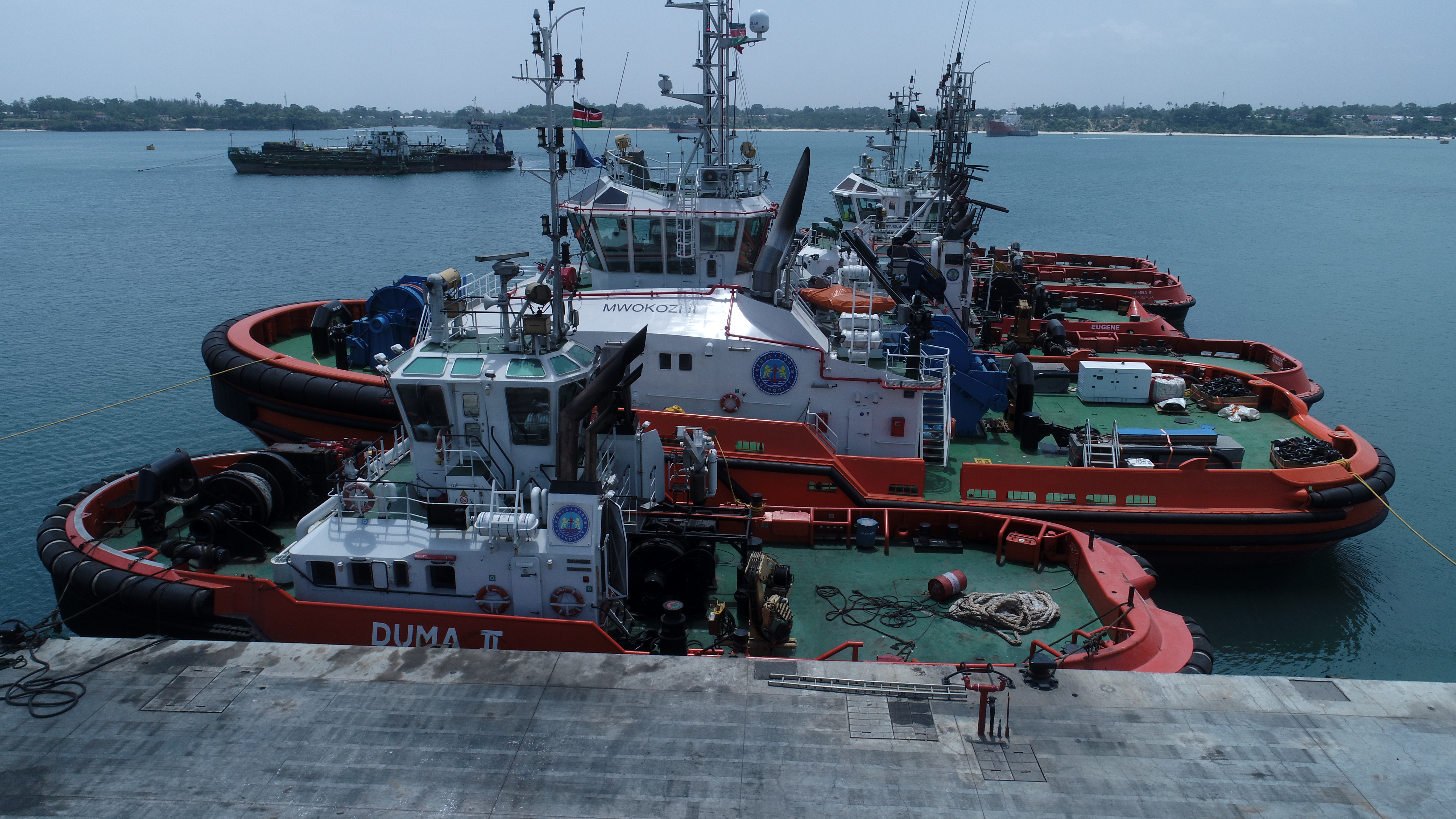
Our success is powered by our human resource. KPA PLC is steered by a team of visionary leaders whose combined expertise spans maritime operations, logistics, finance, and technology. This diverse experience allows us to successfully navigate the complexities of 21st-century shipping and deliver world-class port services.
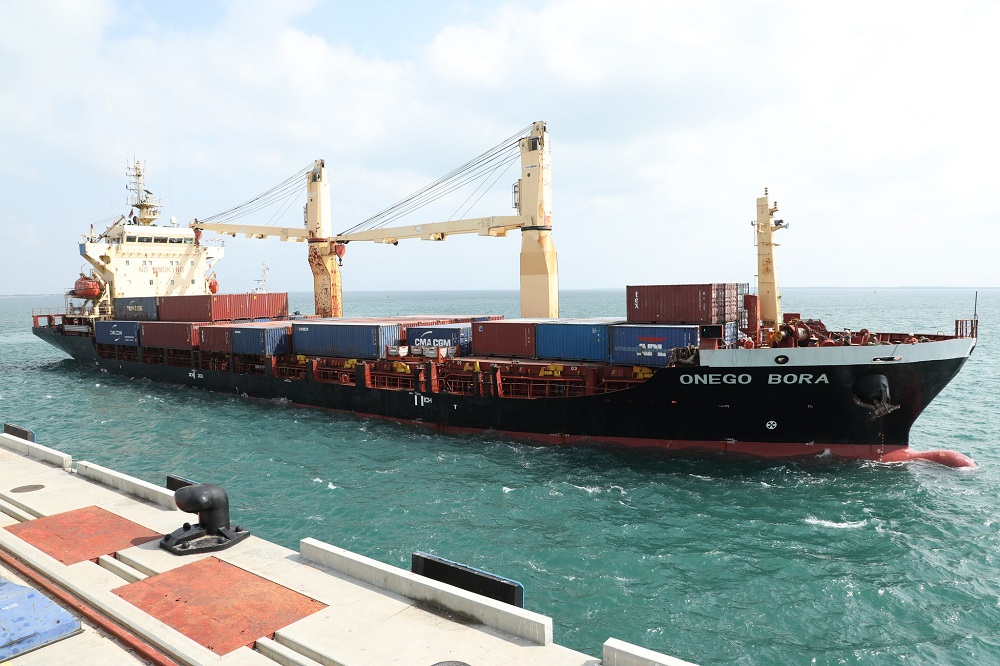
We are more than just a port authority; we are your trusted partner in progress, dedicated to fuelling prosperity for our region and the global market.
Frequently Asked Questions
Frequently Asked Questions
General Information
What is Kenya Ports Authority?
Kenya Ports Authority (KPA) is a State Corporation established to manage and operate Kenya's seaports and inland logistics facilities, facilitating international and regional trade through efficient port and maritime services.
What services does KPA provide?
KPA provides vessel handling, cargo handling, container terminal services, inland container depot operations, marine services, warehousing, logistics support, and port infrastructure management.
Where are KPA offices located?
KPA headquarters are located in Mombasa. The Authority also maintains offices and operational facilities in various ports and inland container depots across Kenya.
How can I contact KPA?
Customers can contact KPA through the customer care desk, telephone, email, social media platforms, or by visiting the nearest KPA office.
What are KPA's operating hours?
Port operations run 24 hours a day, seven days a week. Administrative offices operate during official government working hours unless otherwise communicated.
What is the Kenya Ports Authority and what does it do?
KPA is a commercial parastatal established in 1978 to manage and operate all scheduled seaports along Kenya's coastline. KPA operates the Port of Mombasa, the Port of Lamu, Kisumu Port, Shimoni port, Inland Container Depots Nairobi and Naivasha.
What are the main services offered at the Port of Mombasa?
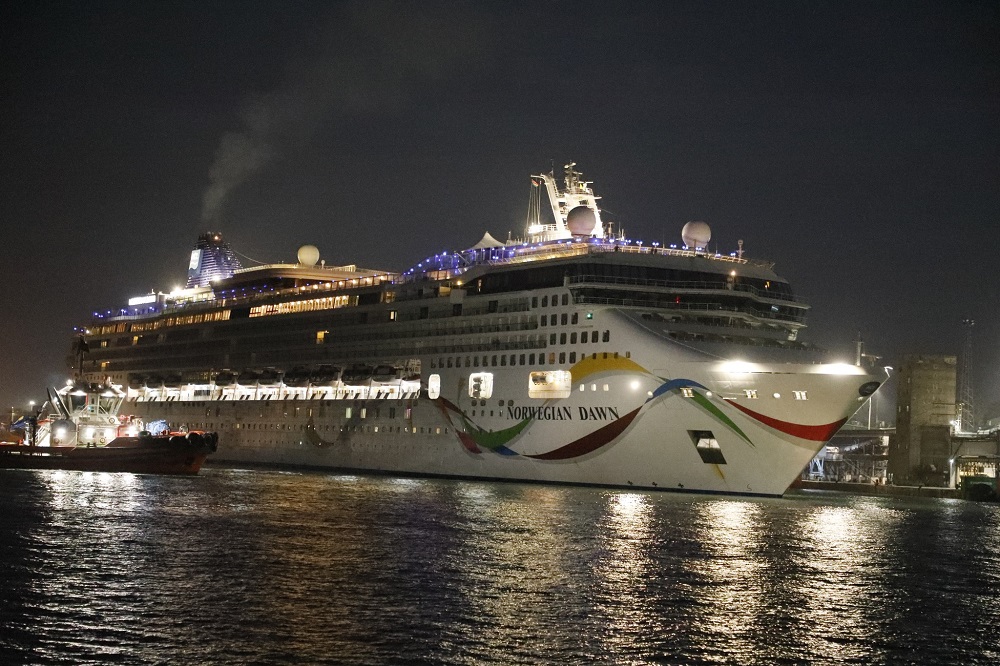
The port offers a range of services, including marine services such as pilotage, tuggage and towage; cargo handling for containers and bulk goods, including stevedoring and shore handling; storage; and a cruise terminal facility for cruise passengers
Port Operations
How do vessels apply for berthing?
Shipping agents submit vessel arrival information and berth requests through approved port systems before arrival.
How is berth allocation determined?
Berths are allocated based on vessel type, cargo category, operational requirements, and berth availability.
What documents are required before vessel arrival?
Required documents include vessel manifest, crew list, cargo declaration, port clearance documents, and applicable regulatory approvals.
Is pilotage compulsory?
Pilotage is mandatory for most vessels entering or leaving port for navigational safety.
What marine services are available?
Marine services include pilotage, towage, mooring, vessel traffic management, and navigational support.
How are maritime emergencies handled?
KPA operates emergency response procedures coordinated with maritime agencies and security authorities.
Can vessel schedules be accessed online?
Yes. Vessel schedules and arrival information are published through designated KPA information platforms.
How are dangerous goods handled?
Dangerous cargo is handled in accordance with international maritime regulations and designated safety procedures.
What happens if a vessel misses its allocated berth?
A new berth allocation may be assigned depending on operational requirements and berth availability.
How can shipping agents communicate operational issues?
Agents may contact the Port Operations Centre or designated operations managers.
Cargo Clearance
How do I clear imported cargo?
Cargo clearance requires submission of customs documentation, payment of applicable taxes and charges, inspections where required, and release approval.
What documents are required for cargo clearance?
Documents typically include the bill of lading, commercial invoice, packing list, import declaration forms, permits, and customs entries.
How long does cargo clearance take?
Clearance timelines depend on document accuracy, regulatory approvals, inspections, and compliance requirements.
What causes delays in cargo clearance?
Common causes include incomplete documentation, customs queries, unpaid charges, inspection delays, and permit issues.
Can I track my cargo status?
Yes. Cargo owners and authorized agents can track cargo through available electronic systems.
What agencies participate in cargo clearance?
Various government agencies may be involved depending on the nature of the cargo and applicable regulations.
How do I know when my cargo is ready for release?
Notification is provided through clearance systems or your appointed clearing agent.
What is cargo verification?
Cargo verification involves confirming that cargo details match declarations and supporting documentation.
What happens if cargo is unclaimed?
Unclaimed cargo may be handled in accordance with applicable legal and regulatory procedures.
Can cargo be inspected?
Yes. Cargo may be inspected by customs and other authorized government agencies.
Container Terminal
How can I collect my container?
After completing clearance requirements and making relevant payments, a container release order is issued.
How do I track a container?
Container tracking services are available through online customer platforms.
What are storage charges?
Storage charges apply when containers remain in the terminal beyond the designated free period.
What is a reefer container?
A reefer container is a refrigerated container used to transport temperature-sensitive cargo.
How are reefer containers monitored?
Specialized equipment continuously monitors temperature and power supply.
What is container stripping?
Container stripping is the unloading of cargo from a container.
What is container stuffing?
Container stuffing refers to loading cargo into a container.
Can damaged containers be reported?
Yes. Damage should be reported immediately to terminal officials.
What happens to overstayed containers?
Storage charges continue to accrue and further enforcement actions may apply.
Can containers be examined at the terminal?
Yes. Authorized inspections are conducted within designated examination areas.
Logistics & Transport
How do trucks access the port?
Transporters must register and obtain valid access credentials before entering port premises.
What documents must drivers carry?
Drivers must carry identification, access permits, vehicle documentation, and cargo-related documents.
Are there designated truck parking areas?
Yes. Designated parking and holding areas support traffic management.
What are truck turnaround procedures?
Drivers follow allocated schedules, gate procedures, and loading instructions.
Can cargo be transported by rail?
Yes. Rail transport services are available for eligible cargo.
How can transporters receive updates?
Updates are provided through electronic systems and operational communication channels.
What safety requirements apply to transporters?
All transporters must follow traffic, security, and occupational safety regulations.
How are logistics disruptions communicated?
Customers receive notifications through designated communication platforms.
Can transporters access the port at night?
Yes. Operational requirements may permit round-the-clock access for approved transporters.
How can transport incidents be reported?
Incidents should be reported immediately to security personnel or customer service offices.
Procurement
How do I register as a supplier?
Suppliers may register through the procurement department by submitting the required registration documents.
Where are tenders advertised?
Tender opportunities are published on official procurement platforms and KPA communication channels.
Can youth, women, and persons with disabilities apply?
Yes. Eligible suppliers under government preference programs are encouraged to participate.
How are bids submitted?
Bids must be submitted according to instructions provided in tender documents.
How are suppliers evaluated?
Evaluation is conducted based on compliance, technical capability, financial capacity, and tender requirements.
Can tender results be accessed publicly?
Yes. Award notices are published in accordance with procurement regulations.
What is a pre-bid meeting?
It is a meeting where bidders receive clarification regarding tender requirements.
Can unsuccessful bidders seek clarification?
Yes. Feedback may be provided within procurement regulations.
How do suppliers update their details?
Updates can be submitted through the procurement office.
How can procurement fraud be reported?
Concerns may be reported confidentially through ethics and integrity channels.
Human Resource & Careers
How can I apply for a job?
Applications must be submitted through official recruitment channels when vacancies are advertised.
Where are vacancies posted?
Vacancies are posted on the organization's website and approved communication platforms.
Does KPA offer internships?
Yes. Internship opportunities are announced periodically.
Can students apply for attachment?
Yes. Applications are accepted according to available opportunities.
How are applicants shortlisted?
Shortlisting is based on job requirements and qualifications.
How will I know if I have been shortlisted?
Shortlisted candidates are contacted through provided contact details.
Can I submit applications after the deadline?
No. Applications received after the deadline are generally not considered.
Does KPA offer graduate trainee programs?
Graduate opportunities may be advertised when available.
Is experience required for all positions?
Requirements vary depending on the position.
Does KPA promote equal opportunity employment?
Yes. Recruitment is conducted fairly and in accordance with applicable laws and policies.
Customer Service
How do I lodge a complaint?
You may submit complaints through customer service offices, email, telephone, website forms, or social media platforms.
How long does complaint resolution take?
Resolution timelines depend on the nature and complexity of the complaint.
Can I track my complaint?
Yes. A reference number may be issued for follow-up purposes.
What if my issue is unresolved?
Unresolved issues may be escalated through established grievance channels.
How do I provide feedback?
Feedback can be submitted through surveys, customer service desks, or online channels.
Is there a customer charter?
Yes. The customer service charter outlines service standards and commitments.
Are customer satisfaction surveys conducted?
Yes. Surveys are periodically conducted to improve service quality.
Can I make enquiries online?
Yes. Multiple online channels are available for customer enquiries.
How are complaints handled confidentially?
All complaints are processed according to applicable confidentiality and data protection requirements.
Who should I contact in emergencies?
Emergency contacts are available through the organization's official communication channels.
Security
How do I obtain a port access pass?
Apply through the security department and provide the required identification and supporting documents.
What identification is required?
Valid government-issued identification and supporting authorization documents.
Are visitors allowed access?
Yes. Visitors must comply with security screening and approval procedures.
Are personal searches conducted?
Security screening may be conducted in accordance with security regulations.
What items are prohibited?
Dangerous weapons, unauthorized equipment, illegal substances, and other restricted items.
What should I do if I lose my pass?
Report the loss immediately to the security department.
Can contractors access operational areas?
Yes, subject to authorization and compliance with security requirements.
How can suspicious activities be reported?
Report immediately to security personnel or through designated reporting channels.
What emergency procedures should visitors follow?
Follow instructions provided by emergency response personnel.
How does KPA ensure port security?
Through surveillance systems, access control, patrols, and compliance with international security standards.
No FAQs found
Try searching using a different word or phrase.